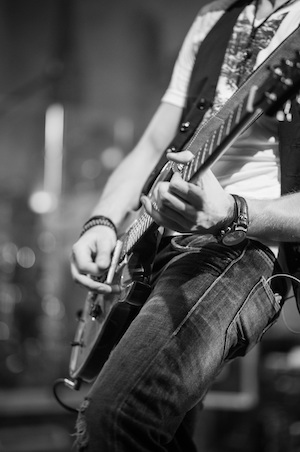
Congratulations, you’ve given yourself a wonderful gift: music lessons! We wrote this article to explain how we think about making music, and we hope it inspires you to keep practising.
Music is a language
Music is often called a language, and it’s regularly compared to a spoken language, which already tells you that music often ‘says’ something. With music you can express feeling and emotion that ordinary words can’t easily capture. For many people, music is the way to express feelings.
Where words fail, music speaks. Hans Christian Andersen
Making music is an art
When you make music, you practise an art form, like drawing, painting, dancing or creative writing. You make something whose worth can’t be measured in money, yet which we know is valuable. It has aesthetic value: it has to do with beauty and art.
Music is very different from sport, where you often measure success in points or seconds. Music is more about emotion: how do you feel when it goes well, and can you, in time, move something in others too?
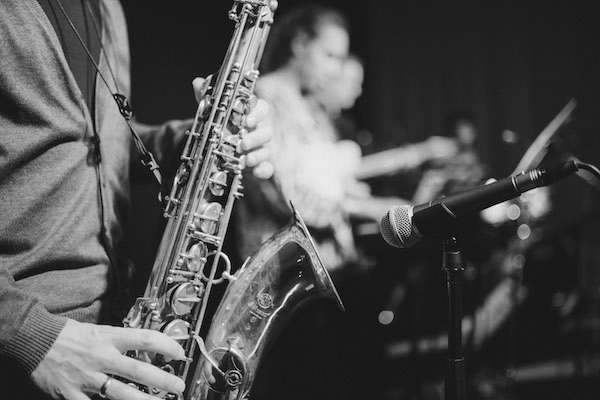
Music enriches your life!
Your lessons
You’re beginning, or continuing, your journey into the artistic world of music. You learn from people who have been deeply immersed in this art far longer, who have discovered what works and what doesn’t. They know what it takes to express a musical idea on your instrument, and they teach you what to practise and how. Fresh angles keep the learning interesting and varied.
A good technique is essential to ultimately express yourself freely on your instrument. Through pieces, songs and exercises your skill is built up systematically, with the teacher guiding the process.
Practising
Because making music is an art, it doesn’t happen by itself. If it weren’t an art, everyone could play brilliantly without effort, and the fun would soon be gone. To develop these skills you practise at home, and that works best when you do it often: almost daily. Keep a fixed time each day; many students practise before or after dinner.
Beginners and young children can start with a quarter of an hour a day. As that becomes natural, extend to 20 or 30 minutes. Half an hour, 5 days a week, is a good starting point for most. Those who’ve played longer and have plenty of motivation easily practise an hour a day, sometimes more.
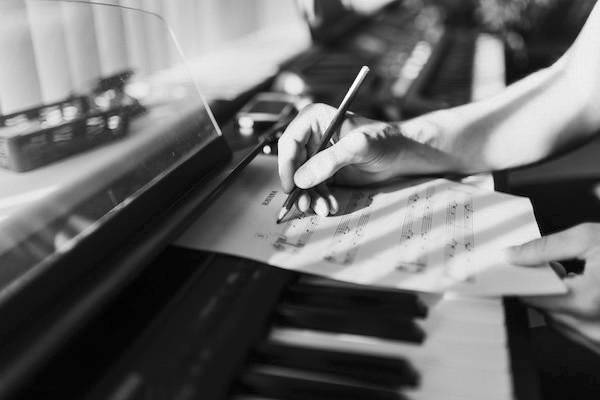
What sport is for the body, making music is for the mind!
Concentration
When you practise at home, good concentration matters, that’s when those 15 to 30 minutes pay off most. Allow as little distraction as possible. These days that mostly means screens and the internet: anything that grabs your attention with image or sound. Once concentration breaks, effective practice is hard.
I’m from the last years of the generation without computers. We didn’t waste as much time online as we do now, so I had large blocks of time to devote to something. John Mayer
Super-minutes
Researchers found it takes on average 23 minutes and 15 seconds to get ‘in the zone’. Hold your concentration after that, and the minutes count as super-minutes. Practise 30 minutes with good focus and you’ve gained about 7 super-minutes, your most powerful practice time. Practise 40 minutes without being pulled out of the zone and you’ve invested 17 precious super-minutes in yourself.
In the lesson
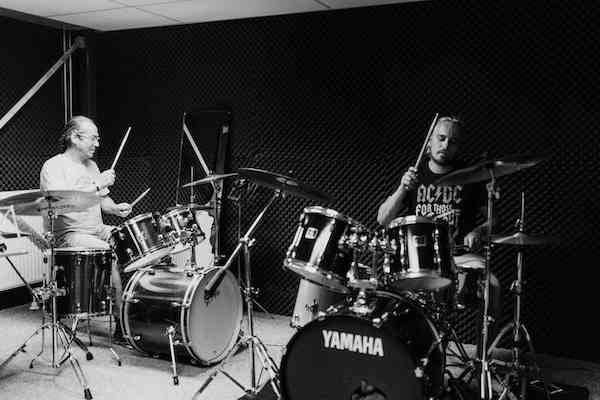
Your teacher is committed to helping you as well as possible, but you’ll do most of it yourself: practising. Sometimes teacher and student search together for what works specifically for you. One person prefers a method; another is inspired by variety and by repertoire that appeals most at the moment. Talk about it openly, so you steadily arrive at the right tailored approach.
Having fun
We can be serious about practice, and we are, but making music is also simply great fun. Don’t lose sight of that. Listen to music you love, aim to play music you love, and sometimes play for others. Playing with other people, in a band or just for fun, is one of the things that makes music so much more enjoyable and meaningful.
Teaching is the highest thing you can do, helping others help themselves, perhaps even fulfil their dreams! Joe Diorio, jazz guitarist and master teacher
Summary
When you make music you’re being artistic: it’s about emotion, not performance. Music is expression and tells stories of feeling that words can’t explain. Because it’s an art, it doesn’t come for free, and that’s why you practise. Do it regularly, learn to concentrate, and experience ‘super-minutes’. In lessons, keep discussing which music suits you and which exercises move you forward. And above all, keep it fun and relaxed, making music with others is one of the very best parts.